
In today’s fast-paced digital world, great visual communication can make or break your brand. Whether you’re launching a startup, refreshing your website, or creating eye-catching social media content, finding the right graphic designer is essential. But with thousands of talented creatives scattered across the internet, where do you even begin?
The good news is that specialized online platforms have made hiring graphic designers easier, faster, and more reliable than ever. These websites connect businesses of all sizes with skilled professionals who can deliver stunning logos, branding packages, illustrations, UI designs, and more.
This guide explores the 10 best websites to hire graphic designers online. We’ll break down their unique strengths, ideal use cases, pricing models, pros and cons, and practical tips to help you make the smartest choice for your project and budget. By the end, you’ll know exactly where to find the perfect creative talent without wasting time or money.
Table of Contents
Why Hire a Graphic Designer Online Instead of In-House?
Before diving into the platforms, let’s address the bigger picture. Hiring online offers incredible flexibility compared to traditional employment. You gain access to a global talent pool, pay only for the work you need, and often complete projects much faster.
Freelance graphic designers bring fresh perspectives, specialized skills in tools like Adobe Creative Suite, Figma, or Procreate, and experience across countless industries. Many clients report saving 40-60% compared to agency rates while maintaining high quality.
Online platforms also handle payments securely, offer dispute resolution, and provide built-in portfolios or reviews to reduce risk. Whether you need a one-time logo or ongoing monthly design support, these sites have options for every scenario.
Key Factors to Consider When Choosing a Platform
Not all websites are created equal. Here are the main things to evaluate:
- Talent Quality and Vetting — Are designers pre-screened or do you review portfolios yourself?
- Pricing Models — Hourly, fixed-price, contests, or subscription?
- Project Types — One-off gigs, complex branding, or unlimited revisions?
- Ease of Use — How simple is posting a job or browsing talent?
- Fees and Protection — What does the platform charge, and how safe are your payments?
- Turnaround Time — Do you need something fast or high-end?
With these in mind, let’s explore the top 10 platforms that consistently rank highest for hiring graphic designers in 2026.
1. Upwork – The Versatile Marketplace Giant
Upwork stands as one of the largest and most established platforms for hiring freelance graphic designers. With millions of registered professionals, it offers incredible variety—from junior talent to seasoned experts with agency-level experience.
How it works: You can either post a detailed job and receive proposals or browse freelancer profiles using powerful filters for skills, hourly rates, location, and success scores. The platform’s tracking tools and milestone payments add security for longer projects.
Best for: Complex or ongoing graphic design needs like full branding systems, website visuals, or marketing collateral. Many clients build long-term relationships with designers here.
Pricing: Freelancers set their own hourly rates (typically $15–$150+) or fixed prices. Upwork charges clients a small service fee on top.
Pros:
- Huge selection of designers with detailed work history and client reviews
- Escrow protection and time-tracking for hourly work
- Ability to interview candidates via video or chat
Cons:
- Proposal volume can feel overwhelming for simple jobs
- Quality varies, so careful screening is required
Pro Tip: Write a clear job post with specific deliverables, examples of desired style, and your budget range. Look for freelancers with a Job Success Score above 90% and relevant portfolio samples.
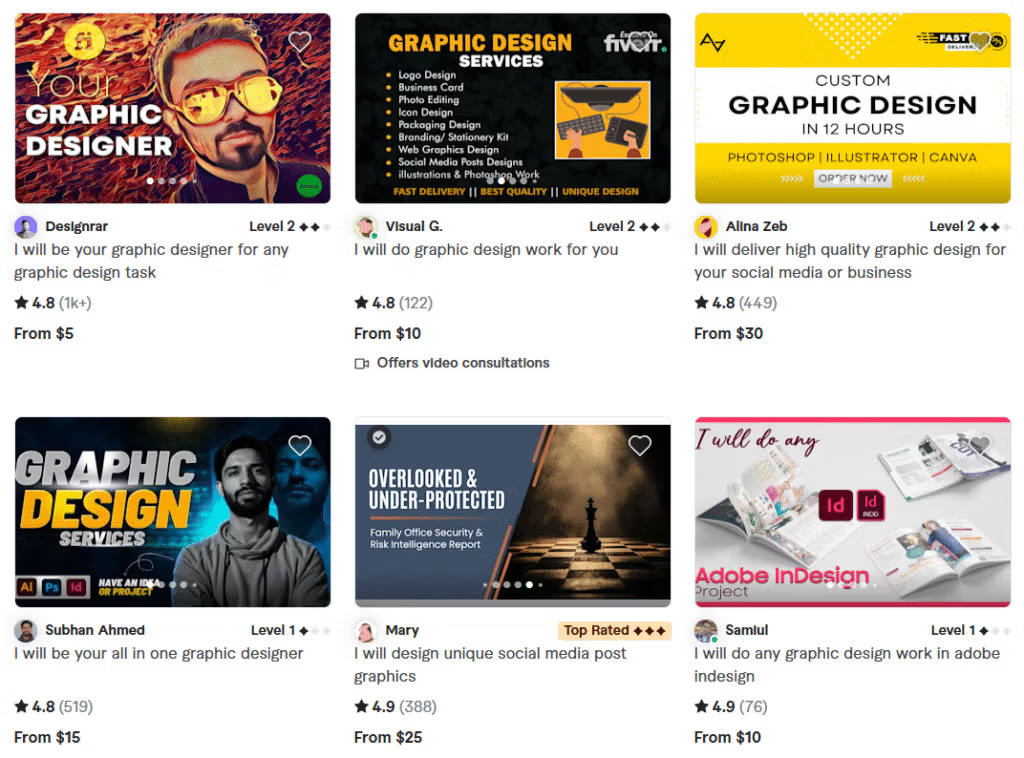
2. Fiverr – Perfect for Quick, Affordable Gigs
Fiverr revolutionized freelance hiring with its gig-based model. Graphic designers create predefined service packages (“gigs”) starting as low as $5, though serious professional work usually ranges from $50 to several hundred dollars.
How it works: Browse categories like logo design, social media graphics, or packaging. Filter by seller level (New, Level 1, Top Rated, or Fiverr Pro for vetted experts). You order directly and communicate via the platform’s messaging system.
Best for: One-off projects, rapid prototypes, or testing different design styles without long commitments. It’s especially popular for startups and small businesses on tight deadlines.
Pricing: Fixed packages with add-ons for revisions, source files, or faster delivery. Higher-tier sellers command premium prices for complex work.
Pros:
- Extremely fast turnaround (many gigs delivered in 24-48 hours)
- Transparent pricing upfront
- Huge variety of specialized niches like motion graphics or NFT art
Cons:
- Less ideal for highly customized, multi-stage branding projects
- Lower-priced gigs sometimes deliver generic results
Pro Tip: Always check the seller’s portfolio, recent reviews, and response time. Order “Gig Extras” for commercial rights and unlimited revisions if needed. Fiverr’s Pro category helps filter for higher quality.
3. 99designs – The Creative Contest Leader
If you want to see multiple design concepts before choosing, 99designs offers a unique contest model that sets it apart from traditional marketplaces.
How it works: You launch a design contest by providing a detailed brief. Hundreds of designers may submit entries, and you provide feedback rounds before picking a winner who receives the prize money.
Best for: Logo design, branding elements, book covers, or packaging where visual options help you decide. It also supports 1-to-1 projects for direct hiring.
Pricing: Contests start around $299 and go higher depending on the prize and features. Direct hires follow standard freelance rates.
Pros:
- See dozens of unique concepts from different creative minds
- Built-in feedback process improves the final result
- Strong focus on pure graphic and branding work
Cons:
- Designers invest time without guaranteed pay (except the winner)
- Can lead to “design by committee” if feedback isn’t focused
Pro Tip: Provide clear mood boards, competitor examples, and brand guidelines in your brief. Consider a higher prize to attract top talent.
4. Dribbble – Where Top Creatives Showcase Their Work
Dribbble functions as both a design inspiration platform and a hiring marketplace. Many of the world’s best graphic designers maintain active profiles here.
How it works: Browse stunning “shots” (design examples) and contact designers directly or use the hiring section. Premium clients can post jobs that reach the community.
Best for: High-end, modern, or trend-forward graphic design such as UI/UX visuals, illustrations, or digital branding. It’s favored by tech companies and creative agencies.
Pricing: Rates vary widely; expect premium pricing for top talent (often $75–$200+ per hour).
Pros:
- Exceptional visual quality and innovative styles
- Designers are usually highly motivated and portfolio-driven
- Great for finding specialists in specific aesthetics (minimalist, 3D, etc.)
Cons:
- Smaller pool compared to general marketplaces
- Top designers may have waiting lists
Pro Tip: Use Dribbble’s advanced search to filter by skills or location. Reach out with a personalized message referencing specific work from their portfolio.
5. Behance (Adobe) – Portfolio Powerhouse for Serious Talent
Owned by Adobe, Behance serves as the professional network for creatives. Its “Hire” section connects clients directly with talented graphic designers.
How it works: Explore project case studies, then contact designers or post opportunities. The platform emphasizes in-depth process documentation, which helps you understand a designer’s thinking.
Best for: Comprehensive branding projects, campaign visuals, or designers who excel at storytelling through design.
Pricing: Varies by individual; many charge project-based fees.
Pros:
- Deep insight into design process and problem-solving
- High concentration of experienced, professional-level talent
- Integrated with Adobe tools many designers already use
Cons:
- Less structured hiring process than dedicated marketplaces
- Communication happens outside the platform initially
Pro Tip: Look for “Available for freelance” badges and review full case studies rather than just pretty images.
6. Toptal – Elite, Vetted Graphic Designers
Toptal prides itself on accepting only the top 3% of applicants. If you want pre-screened, high-caliber talent without sifting through hundreds of profiles, this is a strong contender.
How it works: Submit your project details, get matched with suitable designers within days, then interview and hire.
Best for: Businesses needing reliable, senior-level graphic designers for important projects where quality cannot be compromised.
Pricing: Higher rates reflecting the elite talent level, but often worth it for complex work.
Pros:
- Rigorous vetting process saves time
- Dedicated matching team
- High success rate for long-term collaborations
Cons:
- More expensive than open marketplaces
- Smaller overall talent pool
Pro Tip: Be prepared with clear project scope and timeline. Toptal works best when you value expertise over the lowest price.
7. DesignCrowd – Contest and Marketplace Hybrid
Similar to 99designs but with its own flavor, DesignCrowd lets you run contests or hire designers directly.
How it works: Post your brief and watch submissions roll in, or browse the designer directory.
Best for: Logo and branding contests or straightforward graphic projects.
Pricing: Contest packages start at reasonable entry levels.
Pros:
- Good mix of contest variety and direct hiring
- Active community of dedicated designers
Cons:
- Competition for attention among other contests
8. Penji or Design Pickle – Unlimited Design Subscriptions
For businesses with ongoing needs, subscription-based services like Penji or Design Pickle provide dedicated design teams for a flat monthly fee.
How it works: Pay one price and request as many designs as your plan allows, with revisions included.
Best for: Regular social media graphics, blog images, ads, or marketing materials.
Pricing: Starts around $499–$999/month depending on volume.
Pros:
- Predictable budgeting
- Fast turnaround for routine tasks
- No need to manage multiple freelancers
Cons:
- Less suitable for highly unique or strategic one-off projects
- Style consistency depends on the assigned team
9. Freelancer.com – Global Bidding Platform
Freelancer.com operates on a bidding system where designers compete for your posted project.
How it works: Post your job, review bids, and select the best fit based on price, portfolio, and reviews.
Best for: Budget-conscious clients or projects with clear specifications.
Pros:
- Competitive pricing due to bidding
- Large international talent pool
Cons:
- Quality can vary significantly
- Some bids may seem unrealistically low
10. Twine – Creative-Focused Matching
Twine specializes in connecting clients with vetted creatives, including graphic designers, across various disciplines.
How it works: Post your project and get matched with suitable professionals, or browse talent profiles.
Best for: Video + graphic combinations, branding for media projects, or clients who want a more curated experience.
Pros:
- Reviewed project postings reduce spam
- Strong focus on creative industries
Cons:
- Smaller scale than the biggest platforms
Bonus Options and Emerging Platforms
Other notable mentions include specialized on-demand services like Superside or Kimp for enterprise-level unlimited design, and niche communities on LinkedIn or Contra for no-commission direct relationships. Always check recent user reviews, as the freelance landscape evolves quickly.
How to Successfully Hire a Graphic Designer Online: Step-by-Step Guide
- Define Your Project Clearly — List exact deliverables, target audience, brand guidelines, and examples of styles you like or dislike.
- Set a Realistic Budget and Timeline — Research average rates for your project type to avoid sticker shock or low-quality bids.
- Review Portfolios Thoroughly — Don’t just look at pretty pictures—examine whether the work solved real client problems.
- Communicate Expectations — Discuss revision rounds, file formats, ownership rights, and communication preferences upfront.
- Start Small if Unsure — Test a designer with a smaller task before committing to a large branding project.
- Use Platform Protections — Take advantage of escrow, milestones, and dispute systems.
- Provide Constructive Feedback — Good feedback leads to better results and stronger working relationships.
Common pitfalls to avoid: vague briefs, choosing solely based on price, ignoring time zone differences, or skipping reference checks.
Future Trends in Hiring Graphic Designers Online
In 2026 and beyond, expect more AI-assisted design tools integrated into platforms, faster matching algorithms, and a rise in subscription models for consistent design support. Video calls and collaborative Figma boards are becoming standard for better client-designer alignment. Sustainability-focused and inclusive design skills are also increasingly in demand.
Final Thoughts
There’s no single “best” website to hire graphic designers online—it depends on your project scope, budget, timeline, and desired involvement level.
- Need something fast and affordable? → Start with Fiverr.
- Want multiple concepts? → Try 99designs or DesignCrowd.
- Looking for premium long-term talent? → Consider Upwork, Dribbble, Toptal, or Behance.
- Ongoing monthly design needs? → Explore subscription services like Penji.
Take time to explore a couple of platforms that match your needs. Many offer free accounts or trial postings, so you can test the waters without commitment.
Investing in professional graphic design pays dividends through stronger branding, better engagement, and a more polished business presence. The right designer becomes a true partner in your success.
Ready to bring your vision to life? Head to one of these top websites today, craft a compelling project brief, and connect with talented graphic designers who can transform your ideas into powerful visuals.
What type of graphic design project are you working on? Share in the comments below—I’d love to hear your experiences and recommendations!

Muhammad Hasan is an experienced SEO expert and blog writer passionate about helping businesses connect with top freelance talent. With 4 years of hands-on experience in content strategy and search engine optimization, he specializes in writing SEO-friendly blog posts that rank, engage, and convert.