
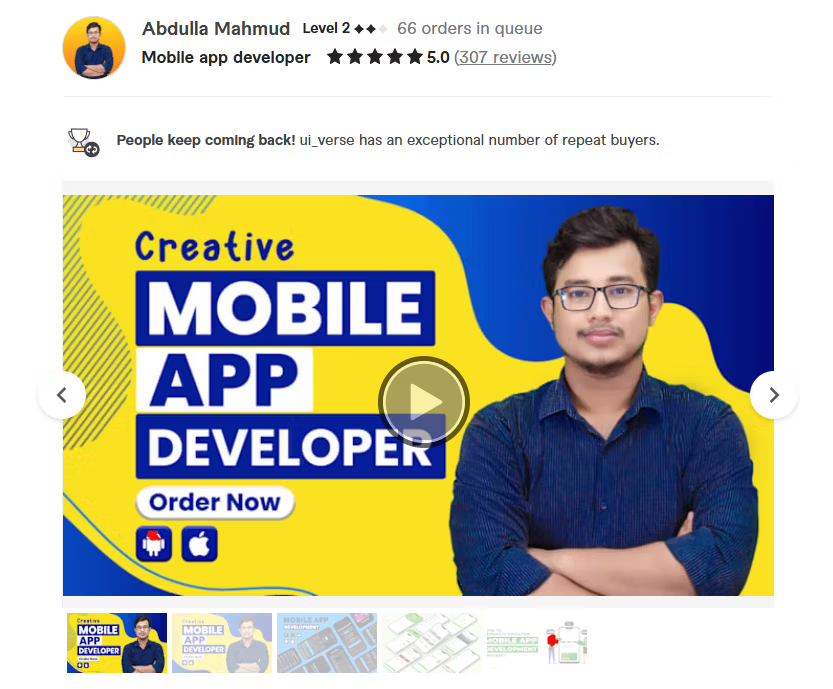
In today’s fast-paced digital world, turning a mobile app idea into reality quickly and affordably is a top priority for startups, entrepreneurs, and even established businesses. Many turn to freelance marketplaces for help, and Fiverr stands out as one of the most popular platforms for app development gigs. But does it deliver real value, or is it full of hidden risks?
This in-depth Fiverr app developers review explores the platform’s strengths, weaknesses, real user experiences, pricing realities, and practical tips to help you decide if it’s the right choice for your project. Whether you’re building a simple utility app, a cross-platform solution with Flutter or React Native, or a more complex native iOS/Android application, understanding the nuances can save you time, money, and frustration.
Why Consider Fiverr for App Development?

Fiverr operates on a gig-based model where freelancers (sellers) offer predefined services starting from low prices—classically $5, though app development packages now range much higher. For mobile apps, you’ll find thousands of gigs covering:
- Native Android (Kotlin/Java) and iOS (Swift/Objective-C) development
- Cross-platform frameworks like Flutter and React Native
- Backend integration (Firebase, Node.js, AWS, etc.)
- UI/UX design, app prototyping, bug fixing, and maintenance
- AI-powered apps, e-commerce features, and more
The platform’s appeal lies in its speed and accessibility. You can browse gigs, compare portfolios, read reviews, and place an order within minutes. No lengthy proposal processes or interviews required upfront. This makes it attractive for bootstrapped founders who need an MVP (Minimum Viable Product) fast without committing to full-time hires or expensive agencies.
Many sellers are from regions with competitive rates, such as Bangladesh, India, and Pakistan, allowing clients to access talent at fractions of Western agency prices. Top-rated sellers often boast hundreds or even thousands of positive reviews, signaling consistent delivery for smaller scopes.
The Pros of Hiring Fiverr App Developers
1. Cost-Effectiveness for Defined Tasks
Basic tasks like bug fixes, simple feature additions, or app prototyping can cost as little as $50–$300. More complete apps might run from $500 to several thousand dollars, depending on complexity. This is significantly lower than hiring a dedicated developer or agency, where hourly rates often exceed $100–$200. For proof-of-concept projects or one-off needs, the savings can be substantial.
2. Speed and Convenience
Many gigs promise delivery in days or a couple of weeks. The fixed-price structure provides clarity on costs upfront, and Fiverr’s order system streamlines communication and revisions (usually included in packages).
3. Variety of Skills
You’ll find specialists in virtually every tech stack. Flutter developers are particularly popular due to single-codebase efficiency for both iOS and Android. Some sellers offer full-cycle services: design, development, testing, and even App Store submission guidance.
4. Review System and Seller Levels
Fiverr uses a robust rating system (5.0 stars common among top sellers) plus levels (Level 1, Level 2, Top Rated, and Vetted Pro or Fiverr’s Choice). High-volume positive feedback often correlates with reliable communication and on-time delivery for straightforward projects. Some clients report turning successful one-off collaborations into ongoing relationships, with a few even bringing Fiverr developers on as equity partners in startups.
5. Accessibility for Beginners
If you’re new to outsourcing, Fiverr feels less intimidating. Clear gig descriptions, sample work, and buyer protection (via the resolution center) provide a safety net for disputes.
The Cons and Potential Pitfalls
Despite the appeal, hiring app developers on Fiverr isn’t without challenges. Many experienced clients note that the platform excels at small, well-defined tasks but struggles with complex, long-term, or highly customized projects.
Quality Variation
Not all “5.0” ratings are equal. Some reviews come from very simple gigs, and deeper inspection often reveals issues with code quality, scalability, documentation, or adherence to modern best practices (clean architecture, testing, security). A developer who excels at basic CRUD apps may falter on performance optimization, third-party API integrations, or handling large user bases.
Scope Creep and Hidden Costs
Fixed-price gigs work well only when requirements are crystal clear. Changes or additional features frequently lead to extra charges. Communication barriers (time zones, language nuances) can compound this, leading to misunderstandings and delays. One common complaint: initial low bids balloon as the project evolves.
Limited Long-Term Support
Freelancers on Fiverr often juggle multiple clients. Once a gig is marked “complete,” ongoing maintenance or updates may require new orders, resetting the relationship. For apps needing continuous iteration, this fragmented approach can become inefficient compared to dedicated teams or platforms like Upwork that support hourly contracts more seamlessly.
Risk of Over-Optimism in Portfolios
Some sellers showcase impressive demo apps that may not reflect their actual contribution or the final polished product delivered to clients. Always request to see source code samples or conduct a small paid test task before committing to a full app build.
Platform Fees and Buyer Protection Limits
Fiverr takes a service fee (around 5.5% plus potential small order fees). While buyer protection exists, complex technical disputes can be hard to resolve if both parties present conflicting evidence. Some users report frustration with support outcomes in high-value projects.
Real-world stories highlight the spectrum: some entrepreneurs successfully validated ideas with low-budget Fiverr prototypes, while others spent thousands only to receive non-scalable code or incomplete features, requiring expensive rework.
Fiverr App Developers vs. Alternatives (Upwork, Agencies, In-House)
Fiverr vs Upwork: Fiverr is faster for fixed-price, bite-sized work. Upwork offers more detailed proposals, hourly billing, and better tools for long-term collaboration, but it often involves higher rates and more screening time. Fiverr suits quick tasks; Upwork fits ongoing development or when you need deeper vetting.
Fiverr vs Agencies: Agencies provide polished processes, dedicated project managers, and stronger accountability but at 3–10x the cost. They’re better for mission-critical or enterprise apps.
When Fiverr Wins: Simple MVPs, landing pages turned into apps, basic e-commerce or utility tools, design-to-code conversions, or maintenance on existing apps.
When to Look Elsewhere: Complex backend architecture, high-security requirements (fintech, health apps), apps needing heavy custom animations or integrations, or projects requiring strict compliance.
How to Choose the Right Fiverr App Developer: A Step-by-Step Guide
To maximize success, treat hiring like a mini due diligence process:
- Define Your Project Clearly Write a detailed brief: features list, target platforms, tech preferences, design references, timelines, and budget. Vague requirements lead to poor outcomes.
- Filter Sellers Wisely
- Prioritize Top Rated Sellers, Level 2+, or Vetted Pros with 100+ relevant reviews.
- Focus on reviews mentioning “Flutter app,” “React Native delivery,” or specific technologies you need.
- Check response time (under 1 hour is ideal) and order completion rate.
- Evaluate Portfolios and Communication Look beyond pretty screenshots—ask for GitHub links, architecture explanations, or code quality examples. Message 3–5 sellers with your brief and compare responses for clarity and realism.
- Start Small Test with a paid milestone: UI prototype, single feature, or code audit. This reveals work ethic and skill level without big risk.
- Use Packages and Extras Strategically Basic packages cover core development; add-ons handle testing, deployment, or documentation. Factor in revision limits.
- Set Milestones and Use Fiverr’s Tools Break complex projects into phases with clear deliverables. Require progress demos and code access at each stage.
- Plan for Post-Delivery Discuss maintenance rates upfront. Consider tools like Git for version control and clear handoff documentation.
Red flags to avoid: Sellers promising unrealistic timelines/prices, poor English in messages, generic template responses, or profiles with mostly unrelated reviews.
Pricing Expectations in 2026
- Simple app (basic features, one platform): $300 – $1,500
- Cross-platform MVP (Flutter/React Native, several screens, basic backend): $1,000 – $5,000+
- Complex app (real-time features, payments, AI, admin panel): $5,000 – $15,000+ (often better suited outside Fiverr)
- Hourly rates (where available via custom offers): $15 – $80, with top talent leaning higher.
Remember, the cheapest option rarely yields the best long-term value. Factor in potential rework costs.
Real Experiences: What Users Are Saying
Feedback is mixed but patterns emerge. Positive stories often involve well-scoped projects where clients provided clear designs and requirements. One Reddit user noted turning two Fiverr Flutter developers into equity partners after successful early contributions. Others praise quick bug fixes and solid delivery from highly reviewed sellers.
On the flip side, some report disappointment with code quality, incomplete features, or difficulty scaling the app later. A common theme: success depends heavily on the client’s preparation and active management. You can’t “set it and forget it” for anything beyond trivial tasks.
YouTube experiments where creators hired multiple developers for the same app often reveal huge quality gaps—even at similar price points.
Tips to Make Your Fiverr App Project a Success
- Use professional design tools (Figma, Adobe XD) and provide clickable prototypes upfront.
- Require automated testing and basic documentation.
- Consider hybrid approaches: Use Fiverr for initial prototyping or specific modules, then transition to a more stable team.
- Protect your idea with NDAs where possible (though enforcement varies).
- Stay involved: Regular check-ins prevent drift.
- Learn enough technical basics to ask smart questions and evaluate deliverables.
For non-technical founders, pairing Fiverr development with a freelance project manager or technical advisor can dramatically improve outcomes.
Final Verdict: Should You Hire Fiverr App Developers?
Fiverr app developers can be an excellent choice for budget-conscious entrepreneurs needing fast, affordable results on well-defined, limited-scope projects. The platform democratizes access to mobile development talent and has enabled countless MVPs to reach the market quickly.
However, for complex, scalable, or long-term applications, the risks around quality consistency, ongoing support, and total cost of ownership often make other options (specialized platforms, vetted agencies, or direct hires) more suitable.
Bottom line: Do your homework. Vet thoroughly, start small, communicate clearly, and manage expectations. When used strategically, Fiverr remains a powerful tool in any founder’s outsourcing arsenal in 2026 and beyond.
If you’re ready to explore, head to Fiverr’s mobile app development category and filter by your required skills. Compare a handful of top gigs, reach out personally, and test the waters with a small order. With the right approach, you might just find the developer who helps launch your next big idea.

Muhammad Hasan is an experienced SEO expert and blog writer passionate about helping businesses connect with top freelance talent. With 4 years of hands-on experience in content strategy and search engine optimization, he specializes in writing SEO-friendly blog posts that rank, engage, and convert.