
In today’s fast-paced digital economy, businesses of all sizes—from bootstrapped startups in Frankfurt to established enterprises—are turning to freelance marketplaces to scale quickly without the overhead of full-time hires. Fiverr stands out as one of the most popular platforms, promising access to global talent at competitive prices. But the big question remains: Is Fiverr safe for businesses in 2026?
The short answer is yes, Fiverr can be safe and highly effective when used strategically. However, like any online marketplace, it carries risks such as variable quality, occasional scams, and communication challenges. This in-depth guide examines the platform’s safety features, real-world pros and cons, buyer protection mechanisms, and practical tips to help your business hire confidently and minimize risks.
Whether you’re a small business owner needing a quick logo redesign or a marketing team seeking ongoing SEO support, understanding Fiverr’s realities will help you make informed decisions that protect your budget, time, and brand reputation.
Table of Contents
What Is Fiverr and How Does It Work for Businesses?

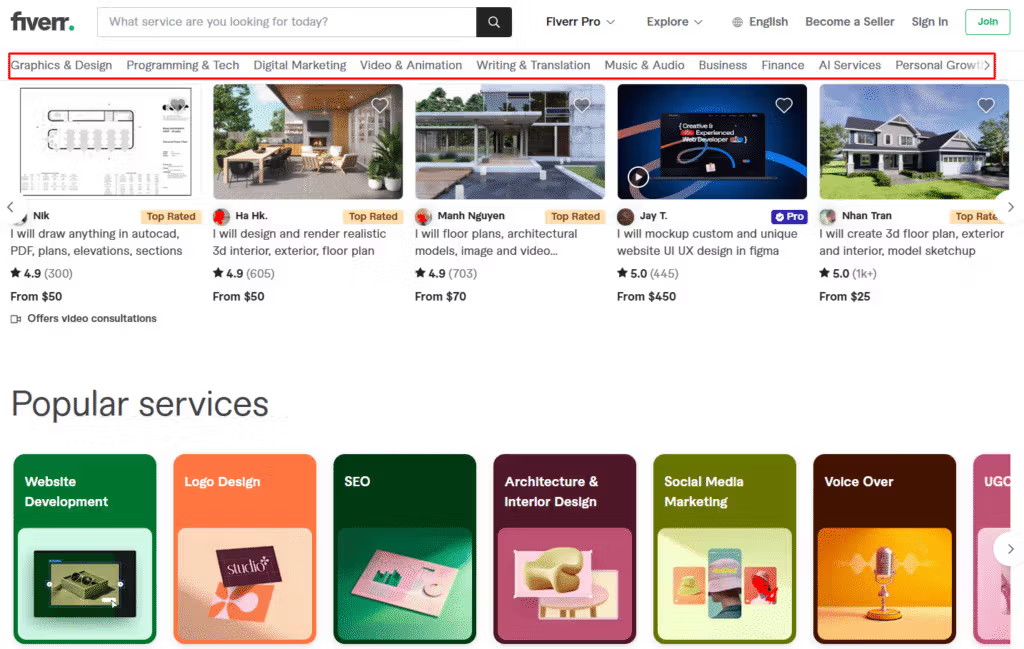
Fiverr is a global freelance marketplace launched in 2010 that operates on a “gig” model. Freelancers (sellers) create service listings called Gigs, typically starting at $5 but often scaling into higher packages for complex work. Businesses (buyers) browse, compare, and purchase these services directly through the platform.
Key features appealing to businesses include:
- Diverse service categories: Graphic design, web development, digital marketing, writing, video editing, AI services, programming, virtual assistance, and more.
- Fiverr Pro and Certified tiers: Vetted professionals for higher-stakes projects.
- Fiverr Business subscription: Tools for teams, including collaboration workspaces, dedicated account managers for larger clients, and streamlined procurement.
Payments are held in escrow until delivery is approved, which adds a layer of security. In 2025-2026, the platform has shifted toward higher-value projects, with average buyer spend rising significantly as AI tools and complex services gain traction.
For businesses, this evolution means Fiverr is no longer just for $5 gigs—it’s becoming a viable option for professional outsourcing.
The Pros: Why Many Businesses Successfully Use Fiverr
1. Cost-Effectiveness and Scalability
Businesses can access skilled talent without recruiting, onboarding, or paying benefits. A professional logo might cost $50–300 on Fiverr versus thousands through an agency. This flexibility helps startups and SMEs manage cash flow while testing ideas quickly.
2. Massive Talent Pool and Speed
With millions of freelancers worldwide, you can find specialists in emerging fields like AI prompt engineering or short-form video editing for social media. Many gigs deliver within days, enabling rapid iteration—crucial for competitive markets.
3. Transparency Through Reviews and Portfolios
Detailed seller ratings, review videos, response times, and portfolios help businesses vet talent. Top-rated sellers (Level 1, 2, Pro) often maintain high standards.
4. Built-in Tools for Businesses
Fiverr Business offers team collaboration, custom proposals, and analytics. Larger spends unlock better support and reliability.
5. Payment Security
All transactions occur on-platform with escrow. Fiverr acts as a middleman, reducing direct financial risks compared to direct hires or unsecured platforms.
Real success stories abound. Businesses have used Fiverr for everything from building e-commerce sites to creating marketing campaigns that drive real ROI. Many solopreneurs and agencies supplement their teams with reliable Fiverr freelancers for overflow work.
The Cons and Risks: Is Fiverr Truly Safe?
No platform is risk-free. Common concerns for businesses include:
Variable Quality and the “Lottery Effect” Not every gig delivers premium results. Newer or low-priced sellers may use templates, AI tools without disclosure, or deliver generic work. Communication barriers (time zones, language) can exacerbate issues.
Scams and Fraudulent Activity Scammers exist on Fiverr, as on any large site. Common tactics:
- Requests to move payments off-platform (e.g., PayPal, crypto, or direct bank transfer).
- Cloned profiles or fake reviews.
- Sellers who disappear after partial work or deliver plagiarized content.
Fiverr actively combats these with anti-fraud measures, but vigilance is required. Buyer complaints on review sites often stem from not following best practices.
Intellectual Property and Confidentiality Concerns
Freelancers retain some rights unless specified. For sensitive business data (e.g., proprietary strategies), use clear contracts and NDAs via the platform. Avoid sharing highly confidential info with unvetted sellers.
Dispute Resolution Bias Toward Buyers
While this protects customers, it can frustrate reliable freelancers and indirectly affect service consistency if good sellers burn out.
Competition and Platform Fees
High competition pressures sellers, sometimes leading to rushed work. Fiverr takes a 20% cut, which sellers factor into pricing.
Despite these, most legitimate users report positive experiences when they choose carefully. Fiverr itself is a legitimate, publicly traded company with strong security protocols (PCI-DSS compliant).
Fiverr’s Safety and Protection Features in 2026
Fiverr invests heavily in trust and safety:
- Secure Payments and Escrow: Funds are released only after approval or auto-approval periods.
- Buyer Protection Program: Options for revisions, cancellations, and refunds in many cases.
- Verification and Levels: Pro sellers undergo vetting. Identity and skills verification options exist.
- Review System: Verified purchases only; patterns of fake reviews are monitored.
- Dispute Center: Mediated resolutions with evidence review.
- Anti-Spam and Anti-Fraud Tech: Detection of suspicious accounts and messages.
For businesses, the Fiverr Business tier adds enterprise-grade controls, compliance features, and priority support.
How to Safely Hire on Fiverr: Practical Tips for Businesses
Follow these steps to hire a freelancer on fiverr to maximize safety and results:
- Define Your Project Clearly Write detailed briefs with deliverables, timelines, and examples. Use milestones for larger projects.
- Vet Sellers Thoroughly
- Prioritize Pro, Top Rated, or Level 2+ sellers.
- Check recent reviews (look for video reviews and specific feedback).
- Review response time and order completion rate.
- Examine portfolio for originality.
- Start Small Test with a low-stakes gig before committing to ongoing work. Use packages or custom offers wisely.
- Communicate on Platform Never move conversations or payments off Fiverr. This voids protections.
- Use Contracts and Milestones For complex jobs, break into stages with approvals.
- Monitor for Red Flags
- Too-good-to-be-true promises.
- Pressure to pay outside the platform.
- Poor grammar in initial communications (for English projects).
- Sellers asking for personal details prematurely.
- Leverage Fiverr Business Tools For recurring needs, set up a team workspace.
- Protect Your IP Specify ownership transfer in requirements. Use watermarks for previews if needed.
Real-World Business Experiences in 2026
Feedback is mixed but leans positive for prepared users. Many businesses praise the speed and affordability for creative and digital tasks. Marketing teams often report strong ROI on content and ads created via Fiverr.
Challenges usually arise from mismatched expectations or skipping due diligence. Enterprises using the Business tier report higher satisfaction due to better vetting and support.
Compared to alternatives like Upwork (more proposal-based, higher-end) or direct hiring, Fiverr excels in quick-turnaround, fixed-price gigs.
Alternatives and When to Choose Them
- Upwork: Better for long-term or complex projects with hourly tracking.
- Specialized Platforms: For design (99designs), development (Toptal), or AI-specific marketplaces.
- Agencies: For high-stakes, brand-critical work requiring deep collaboration.
- Direct Freelancers: Via LinkedIn or personal networks (higher trust but more effort).
Many businesses use Fiverr for tactical tasks and reserve premium channels for strategy.
Conclusion: Is Fiverr Safe for Your Business?
Yes—Fiverr is generally safe for businesses that approach it with eyes open. Its protections, scale, and evolving focus on quality make it a valuable tool in 2026’s freelance economy. However, success depends on your due diligence, clear communication, and realistic expectations.
Treat it as one part of your talent strategy, not the only one. Start with small tests, build relationships with reliable freelancers, and scale what works. For many businesses, Fiverr delivers excellent value and helps stay agile in a competitive world.
Ready to explore? Visit Fiverr, define your next project clearly, and apply the tips above. With smart hiring, you can turn potential risks into reliable growth opportunities.
FAQs
Is Fiverr legit for business purchases?
Yes, it is a legitimate platform with millions of successful transactions.
Can businesses get refunds on Fiverr?
Yes, through the resolution center for unmet requirements, within policy limits.
What industries benefit most from Fiverr?
Digital marketing, e-commerce, content creation, graphic design, and tech startups.
How does Fiverr compare for enterprise use?
Fiverr Business provides tailored solutions with better security and management features.
Always review the latest Terms of Service and conduct your own research before large commitments. Safe hiring!

Muhammad Hasan is an experienced SEO expert and blog writer passionate about helping businesses connect with top freelance talent. With 4 years of hands-on experience in content strategy and search engine optimization, he specializes in writing SEO-friendly blog posts that rank, engage, and convert.